Showing posts with label Next-Gen. Show all posts

Sunday, October 31, 2021

Next-Gen PCIe Power Connector For GPUs Allegedly Capable Of Handling Up To 600W

While graphics cards from both team NVIDIA and AMD have become more powerful over each generation, their cards have been fettered by one factor: the aging 8-pin PCIe power connector that connects the GPU to the PSU. NVIDIA tried to move on from the medium with its 12-pin MOLEX with its Founders Editions RTX 30 series cards but sadly, not all of its AiB partners have been willing to switch.

However, that could all evolve soon, especially if reports of NVIDIA’s RTX 3090 Ti are to be believed. According to a report by the German tech site, Igor’s Lab, AiB partners for NVIDIA may finally ditch the current 8-pin PCIe connector, in favour of a new 12-pin connector. Officially, the new MOLEX port is known as 12VHPWR and it is reportedly set to be part of the upcoming PCIe 5.0 interface and standard that will be introduced with the launch of Intel’s 12th generation Alder Lake later this month.

Specs-wise, the 12VHPWR connector is 3mm wide, making it slightly smaller than even the standard 8-pin connector. Further, it has four contact plugs on the underside, designed to carry sideband signals, as well as to latch on to the PCB securely, ensuring that the connector doesn’t shake loose.
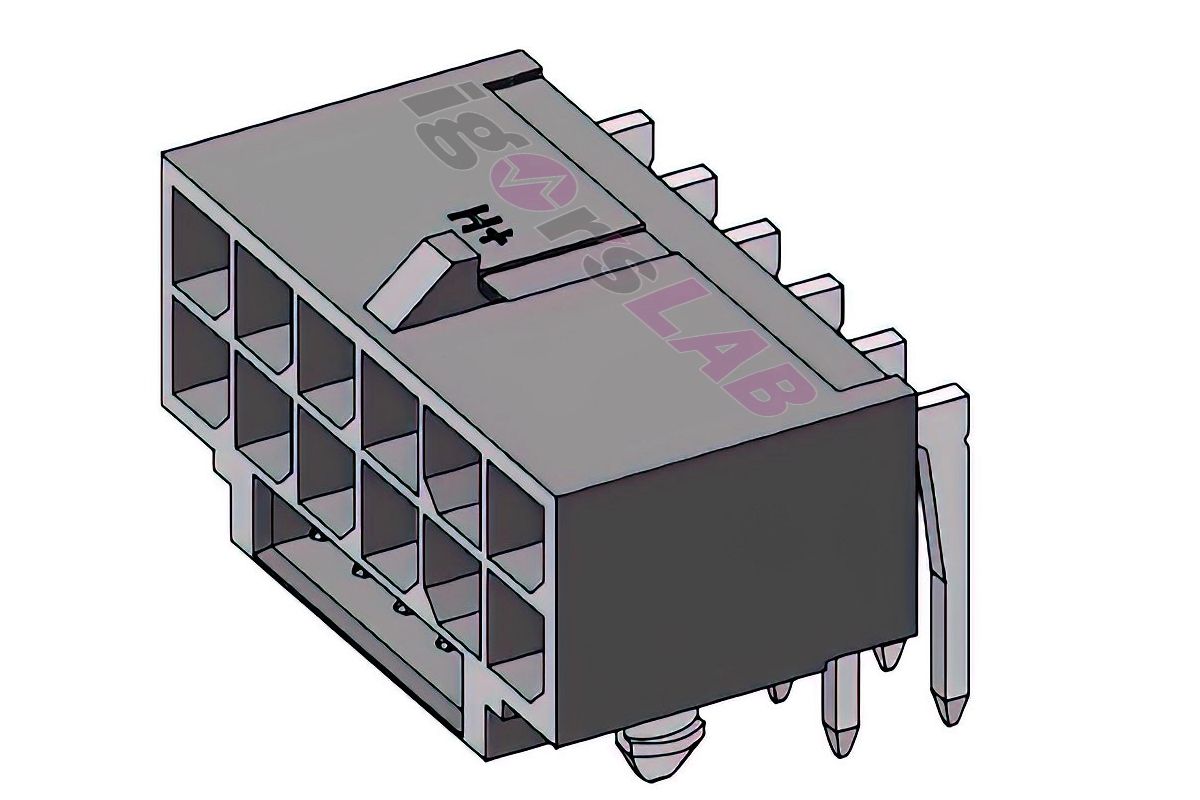

The main takeaway from the report, however, is that the new connector could channel up to 600W of power in a single cable, which is a lot. In contrast, even the most power-hungry graphics card on the current market, the RTX 3090 pulls 350W off the wall, while even the unconfirmed RTX 3090 Ti is expected to have a TDP of 450W. To that end, it can be said that the arrival of the 12VHPWR connector heralds the likelihood of more power-consuming, yet powerful in the near and immediate future.

On that note, there’s still no news as to which graphics cards will be the first to use the 12VHPWR connector, and even if there was, it’s unlikely that the GPU itself will be pulling the full 600W directly from the PSU. Given the required 10% redundancy protocol.
Friday, June 18, 2021

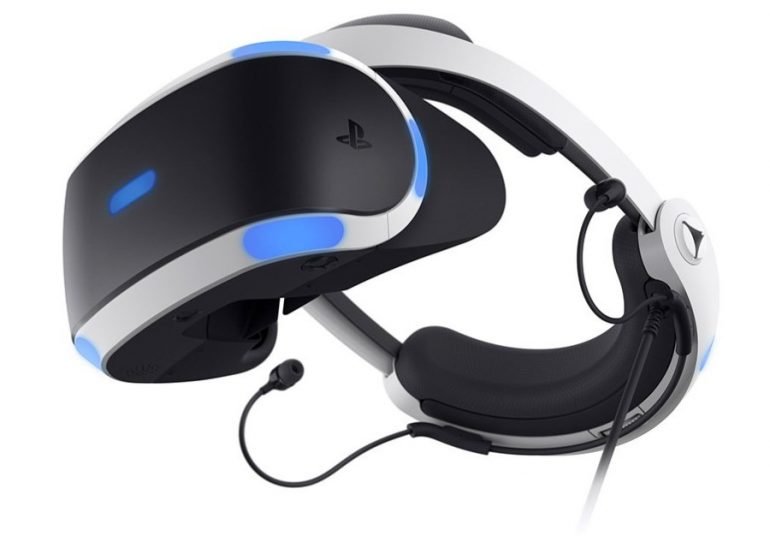
Next-Gen PS VR Reportedly Planned For End Of 2022 Release


Sony Interactive Entertainment officially announced the next-generation PS VR headset. But the company did not provide a release date, beyond that it won’t be out this year. But a new report suggests that it will be out at the end of next year.

Bloomberg has a new report about a Japanese LCD maker pivoting its focus from phone screens to VR. But in it, the report also mentions the successor to the original PS VR. It claims that the company is looking to release it in “the holiday period of next year”. It also mentions that he headset will be using OLED panels provided by Samsung for its display.


Prior reports pegged said display as being of around 4K resolution together. It is also said to come with foveated rendering, which makes use of eye-tracking tech. This allows the headset to only fully render areas a user is looking at to lower graphical processing load. The headset itself is also said to support haptic feedback.

At any rate, it looks like the next PS VR still has a long way to go before it is ready for the public. But it does look like it will have all the bells and whistles of the current generation PlayStation console when it does.

Saturday, May 15, 2021

Next-Gen PS VR To Feature 4K Resolution, Gaze Tracking


Back in February, Sony Interactive Entertainment confirmed that it is working on a next-generation PS VR for the PS5. At the time, one major improvement that the company announced is ease to use, using only a single-cord connection. Now, insiders have shared what may be more improvements to the new generation VR headset.

Sources to UploadVR claim that the new PS VR will come with what is quite close to 4K resolution. Though more specifically, it is 4000 x 2040, or 2000 x 2040 per eye.

It will also come with the kind of gaze detection tech that Apple’s mixed reality headset will reportedly come with. Called foveated rendering, this allows the headset to fully render parts that a wearer is looking at, while rendering things in the peripheral vision to lower graphical processing load.


One other feature that the sources claim the new PS VR will have is haptic feedback. This is done via a motor in the headset. Combine this with the new VR controllers and users will basically get the complete haptic feedback package for VR.

It all sounds like taking the best parts of the DualSense and putting them into the new PS VR system. But it will be awhile before we hear any confirmation by Sony on these. As we reported before, the company is not aiming to launch the new generation VR headset this year.

Sunday, March 21, 2021

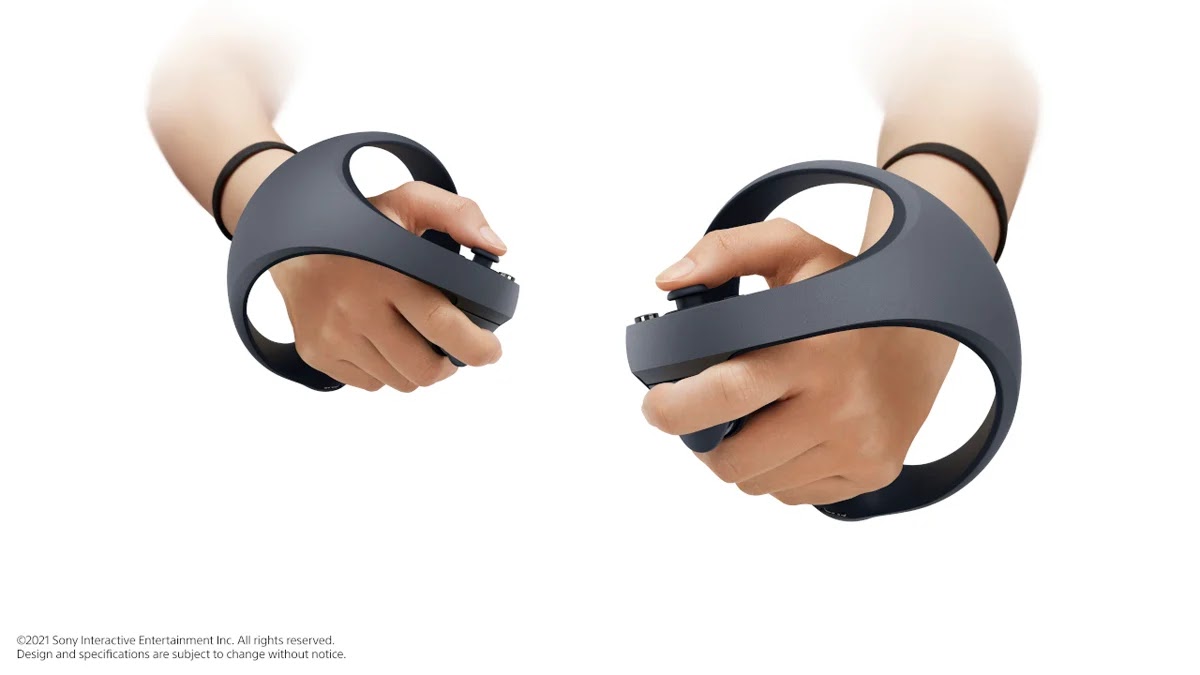
Sony Unveils Next-Gen PlayStation VR Controllers; Features Adaptive Triggers And More


Back in February, Sony revealed that it is currently working on a next generation PlayStation (PS) VR system for the PS5 that would feature a brand new headset and controllers. Thanks to a recent entry to the official PlayStation Blog by PSVR lead Hideaki Nishino, we now know what the upcoming controllers will look like.

Based on the images provided, the new PSVR controllers have dropped the PlayStation Move’s “nunchuk” look for a more unique-looking grip design for each hand. Nishino refers to this as the “orb” shape, which has been designed with “great ergonomics” in mind – allowing users to “hold the controller naturally, while playing with a high degree of freedom.” He claims that the surrounding “rings” will not constrain hand movement, and have been tested on a range of hand sizes.

The button layout on the new PlayStation VR controllers bear a slight resemblance to those from Oculus, where each grip comes with two face buttons, a trigger button, a side “grip” button, a Share/Options button, and an analog stick. As mentioned by Nishino in his previous blog post, the new controllers will also include key features from the PS5’s DualSense as well as several new features of its own. These include left and right adaptive triggers, haptic feedback, and a built-in tracking ring for the corresponding VR headset.


Unique to the controller is the finger touch detection feature which can, well, detect your fingers without any pressing in the areas of the device where your thumb, index and middle fingers are placed. Nishino says that this will enable users to make “more natural gestures” with their hands during gameplay.


Other details such as battery life or charging methods were not mentioned in the blog. Development for the new PlayStation VR system is still a long way off and, as previously reported, is not aimed to be launched this year.

Tuesday, February 23, 2021

Sony Confirms Next-Gen PlayStation VR For PS5; Will Feature A New Controller

Sony has confirmed via its official PlayStation (PS) blog that the next generation PS Virtual Reality (VR) system will be coming to its recently launched console, the PlayStation 5. According to senior vice president of platform planning and management Hideaki Nishino, the new iteration will offer players “dramatic leaps in performance and interactivity”, which would offer them a “greater sense of presence” and immersion.

Nishino did not provide any specific details of the upcoming VR headset, but mentioned that it will connect to the PS5 via a single cord to improve ease-of-use. This suggests that Sony will finally ditch the multi-cable and splitter setup that is featured on the device’s predecessor, which – in all honesty – is a hassle to get up and running.

The company also confirmed that the next-gen PSVR will come with a new VR-specific controller, which would finally replace the 11-year-old PlayStation Move remote. Nishino added that the controller will come with better ergonomics and incorporate some of the key features found in the PS5’s DualSense. If we were to guess, it is possible that it may come with the controller’s excellent adaptive trigger and haptic feedback features. Hopefully, Sony would remove the ugly “sphere light” module from its predecessor as well.


Just like the headset, Sony did not provide any images of the upcoming controller either. Those hoping to see the new PlayStation VR soon will be disappointed, as Nishino confirmed that it will not launch in 2021 and no expected release date was mentioned. “There’s still a lot of development underway for our new VR system,” he added.

Xiaomi Shows Off Physical Concept Of Vision Gran Turismo

At the very tail end of last month, Xiaomi unveiled the Vision Gran Turismo. The car was revealed as a digital hypercar, and one that’s made...